DIY Tips for Maintaining Rental Properties
Regular Inspections
Maintaining rental properties starts with regular inspections. These inspections help identify potential issues before they become major problems, saving both time and money. Schedule inspections at least twice a year to check for leaks, electrical issues, and overall property condition.
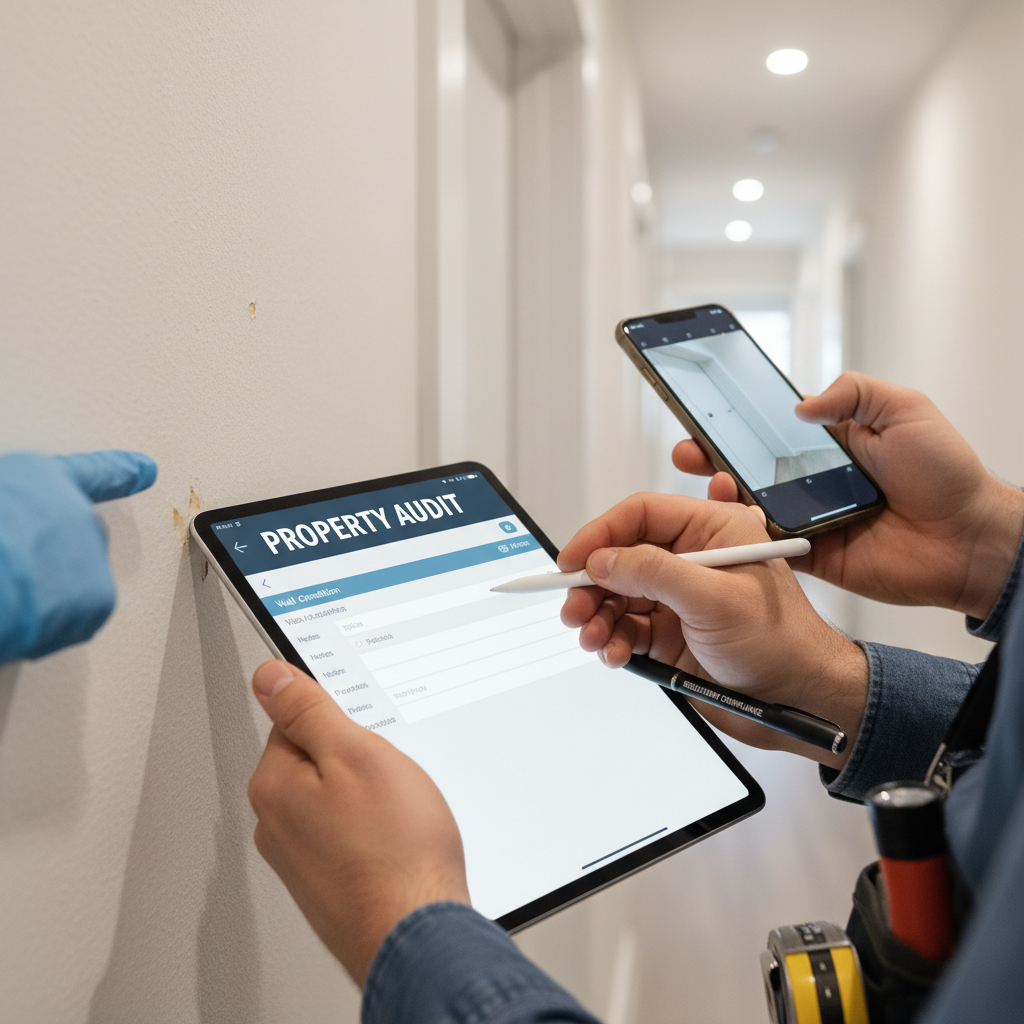
During these inspections, pay close attention to areas that are prone to wear and tear, such as roofs, basements, and kitchens. Document any findings and plan for immediate repairs if necessary. This proactive approach can significantly extend the life of your property.
Plumbing Maintenance
Plumbing issues can be costly and inconvenient. Ensure that all faucets, toilets, and showers are functioning correctly. Encourage tenants to report leaks promptly and consider installing water-saving devices to reduce utility costs.
Regularly check the water heater and ensure that it’s set at an optimal temperature. Flushing the water heater annually can prevent sediment buildup and improve efficiency.
Seasonal Maintenance
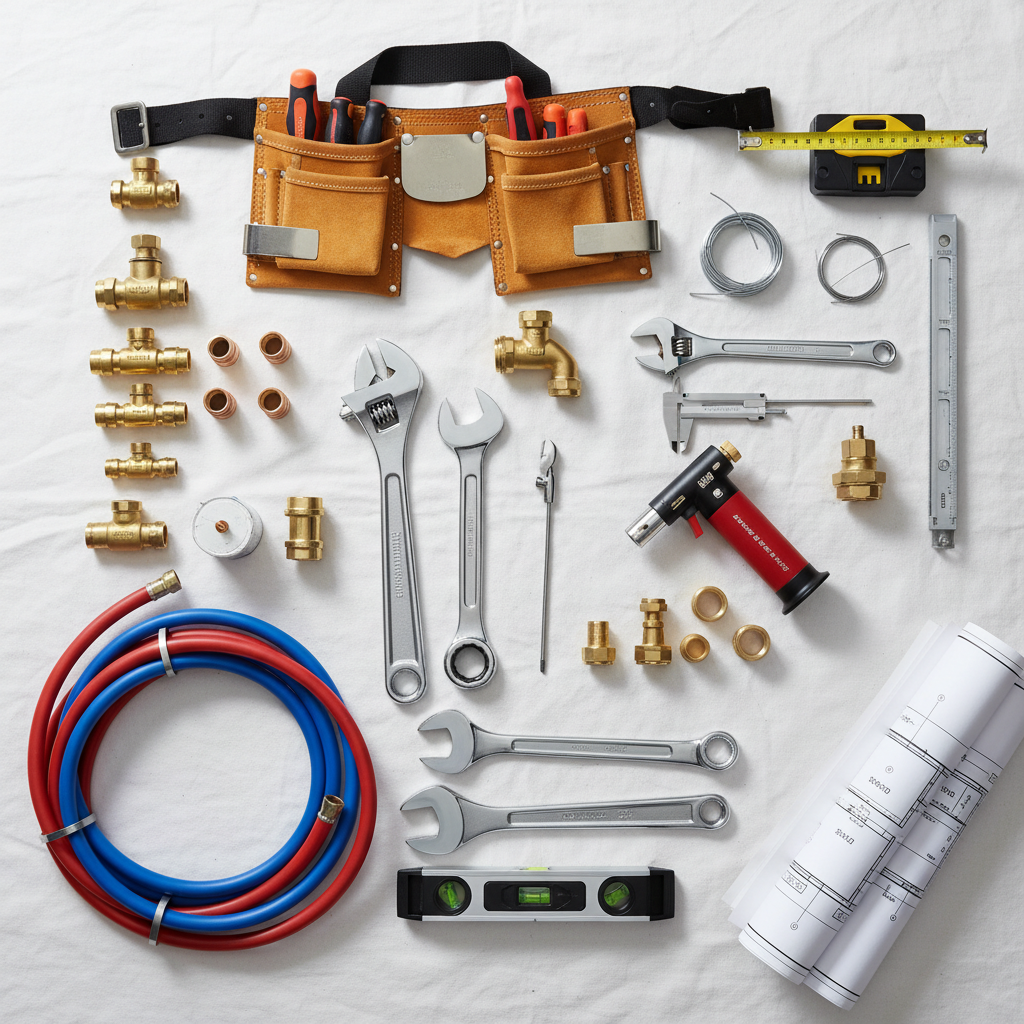
Seasonal maintenance is crucial for keeping rental properties in top condition. In the fall, clean gutters and downspouts to prevent water damage. In the winter, ensure that pipes are insulated to avoid freezing.
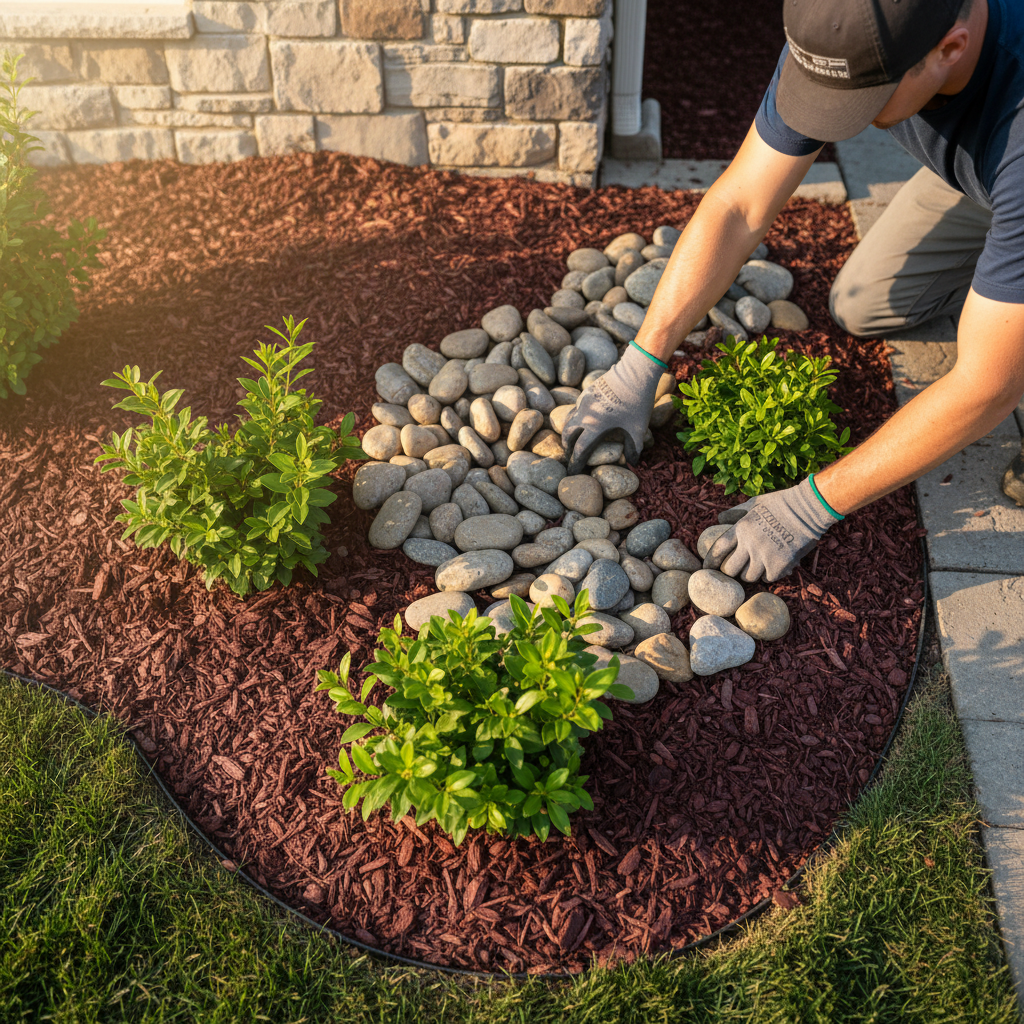
Spring is an excellent time to inspect the exterior of the property, checking for any damage caused by winter weather. Summer is perfect for landscaping and ensuring that air conditioning units are serviced and ready for the heat.
Safety Measures
Ensuring the safety of your tenants should be a top priority. Regularly test smoke detectors and carbon monoxide alarms. Replace batteries as needed and educate tenants on the importance of these devices.
Additionally, inspect handrails, stairs, and lighting to ensure they meet safety standards. Consider installing security systems or motion-sensor lights to enhance security.
Tenant Communication
Open communication with tenants can prevent many maintenance issues. Encourage tenants to report problems early and provide them with a clear process for doing so. This helps address minor issues before they escalate.

Regular newsletters or emails can keep tenants informed about maintenance schedules and any upcoming property improvements. This approach builds trust and can lead to long-term tenant satisfaction.
DIY Repairs and Upgrades
Some maintenance tasks can be handled with DIY repairs. Painting walls, fixing minor leaks, or replacing light fixtures can often be done without professional help. This can save money and time.
For more significant upgrades, consider energy-efficient appliances or smart home technology. These improvements not only enhance the value of the property but also appeal to modern tenants looking for convenience.