
Preparing Your Property for Hurricane Season in Florida
Understanding the Risks
Living in Florida, the threat of hurricanes is a reality every year. It's crucial to understand the risks associated with these powerful storms. Hurricanes can cause significant damage due to high winds, flooding, and storm surges. Being prepared is not just a precaution but a necessity for protecting your property and ensuring your safety.
Knowing the hurricane categories and their potential impact can help you assess the level of preparation needed. Categories range from 1 to 5, with 5 being the most severe. Each level can bring different challenges, so it's essential to stay informed and ready.
Conducting a Property Assessment
Before the hurricane season begins, conduct a thorough assessment of your property. Check the condition of your roof, windows, and doors. Ensure that there are no loose shingles or tiles, and consider reinforcing your roof if necessary. Windows and doors should be secure and, if possible, fitted with storm shutters.
Look for any trees or branches that could pose a threat during high winds. Trim these back to prevent them from causing damage to your home. Regular maintenance can make a significant difference in minimizing potential hazards.

Securing Your Home
When a hurricane is approaching, take steps to secure your home. Install hurricane shutters or board up windows with plywood. This measure can protect against flying debris. Ensure all doors are securely locked, and reinforce garage doors, as they can be vulnerable to strong winds.
Consider investing in a backup generator to maintain power during outages. This can be particularly important for keeping refrigerators running and ensuring communication devices remain charged. A well-prepared home is more resilient in the face of a hurricane.

Stocking Up on Supplies
Having a well-stocked supply kit is vital. Your kit should include essentials such as:
- Non-perishable food items and water
- Flashlights and extra batteries
- First-aid supplies
- Medications and important documents
Ensure that your kit is easily accessible and sufficient to last at least a week. Regularly check and update your supplies to ensure everything is in working order and not expired.
Creating an Evacuation Plan
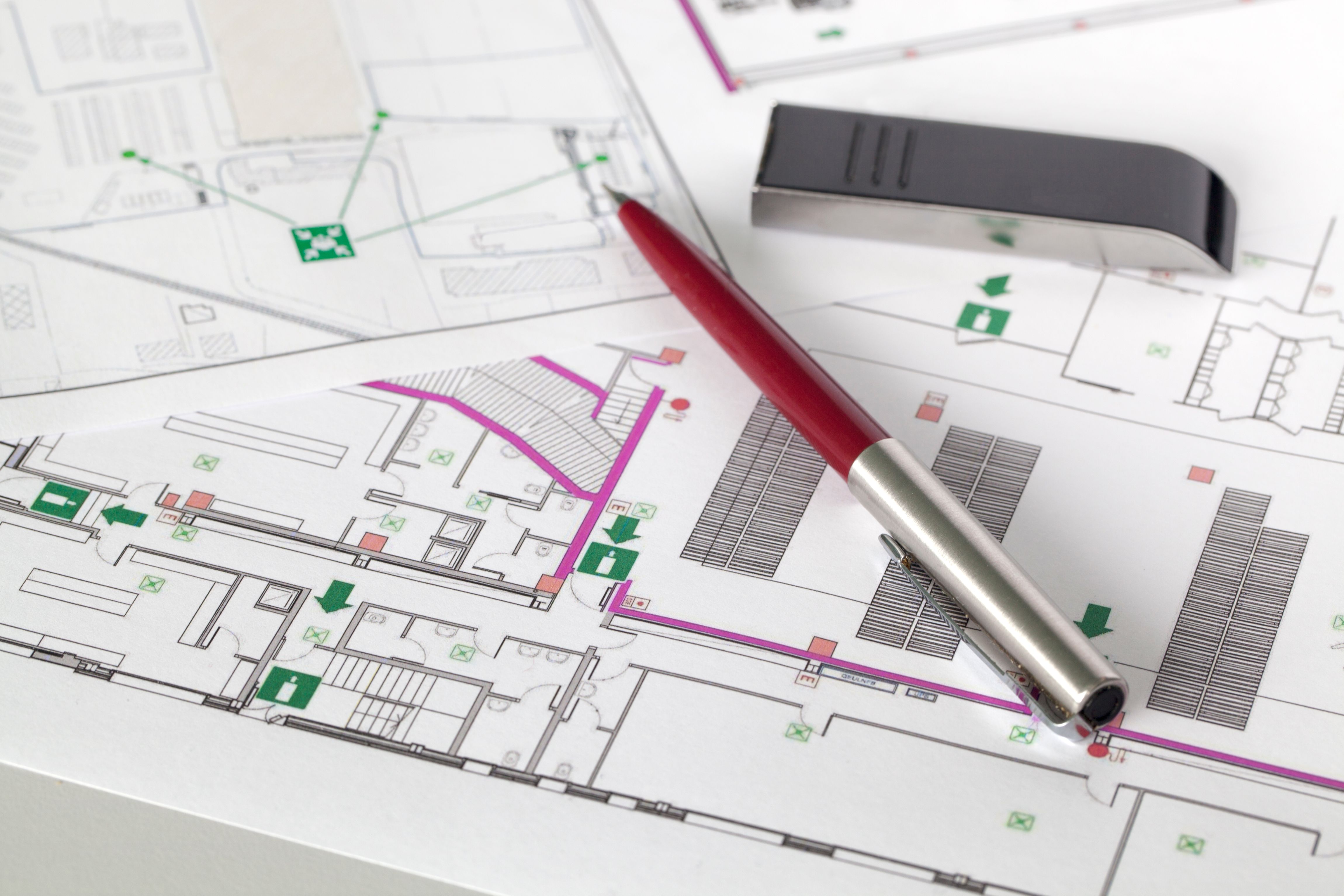
In some cases, evacuation may be necessary. Create a clear evacuation plan that includes a designated meeting place and a route to a safe location. Share this plan with all family members, ensuring everyone knows what to do in an emergency.
Keep your vehicle fueled and ready, and have a bag packed with essential items, including clothing, important documents, and any necessary medications. Preparation can significantly reduce stress and ensure a swift and orderly evacuation if needed.
Staying Informed
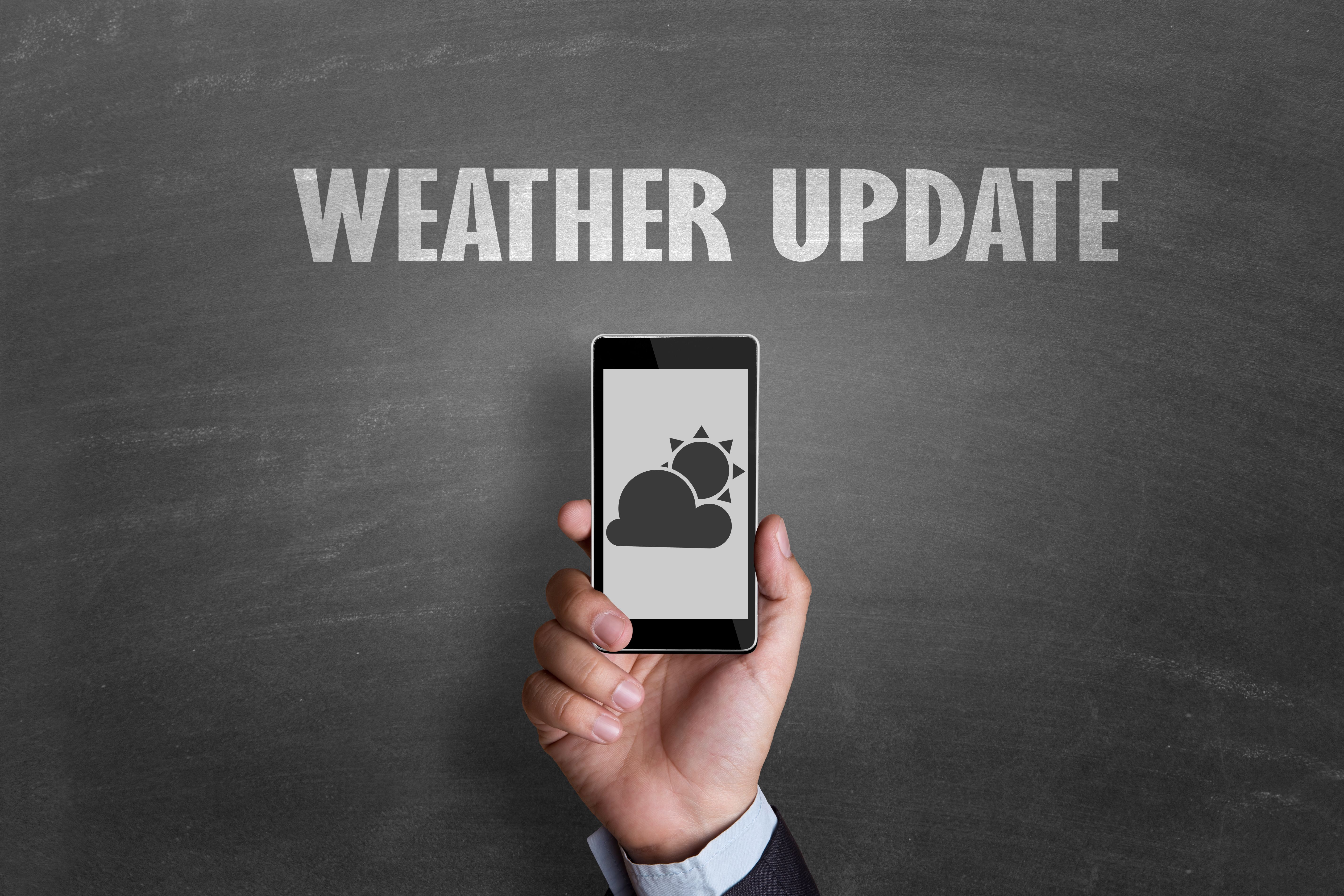
Stay updated with the latest weather forecasts and warnings from reliable sources such as the National Hurricane Center. Having access to real-time information can help you make informed decisions quickly.
Consider downloading weather apps or tuning into local news stations for regular updates. Being informed allows you to act promptly and adjust your plans as necessary.
Post-Storm Safety
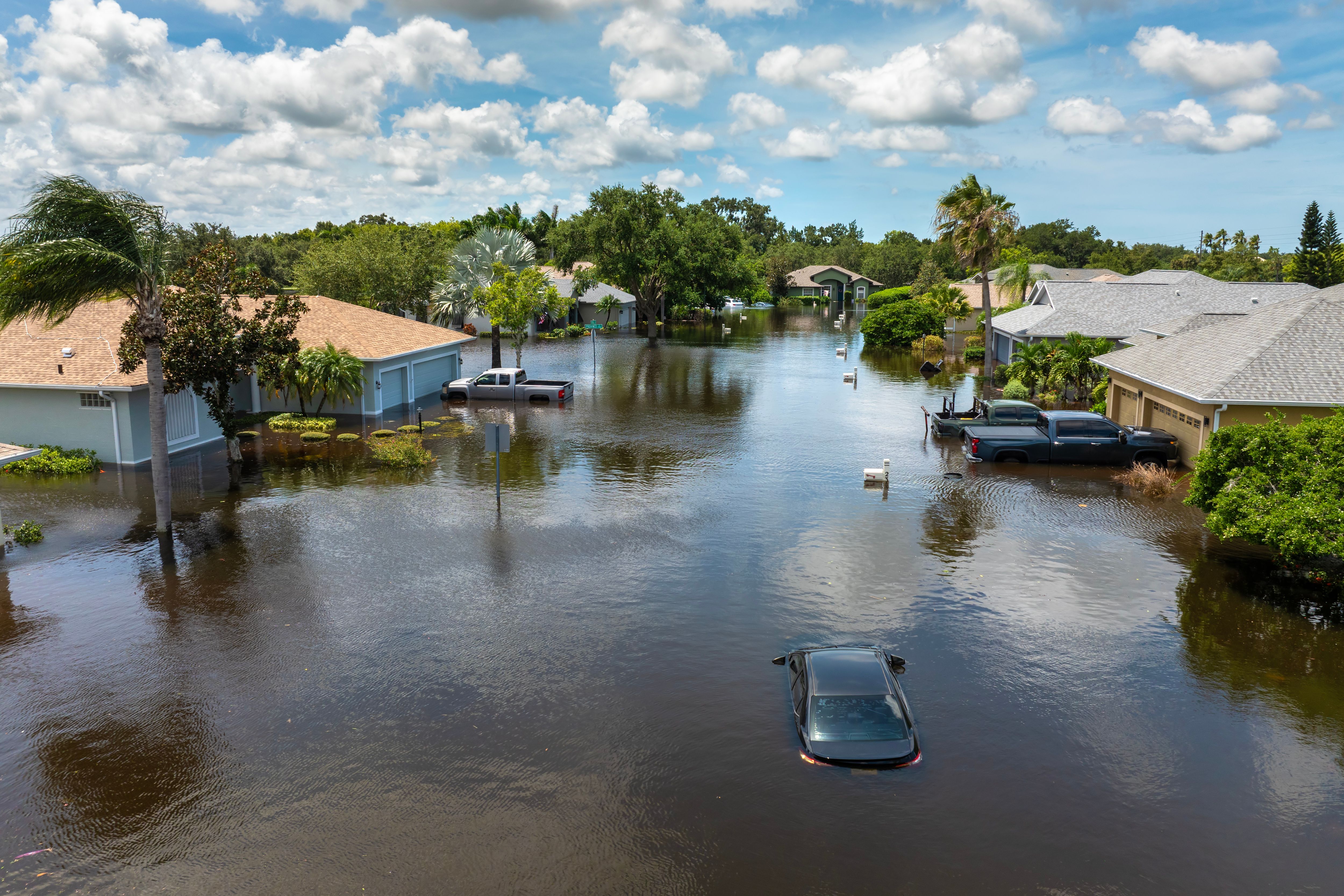
After the storm has passed, exercise caution when returning to your property. Be aware of potential hazards such as downed power lines, flooding, and debris. Assess any damage carefully and document it for insurance purposes.
Contact your insurance provider promptly to report any damage and begin the claims process. Taking photos and detailed notes can facilitate a smoother claims experience.
Preparation and vigilance are key to safeguarding your property during hurricane season. By taking proactive steps, you can minimize risks and ensure the safety of your home and loved ones.