Preparing Your Property for Hurricane Season in Florida
Understanding the Risks
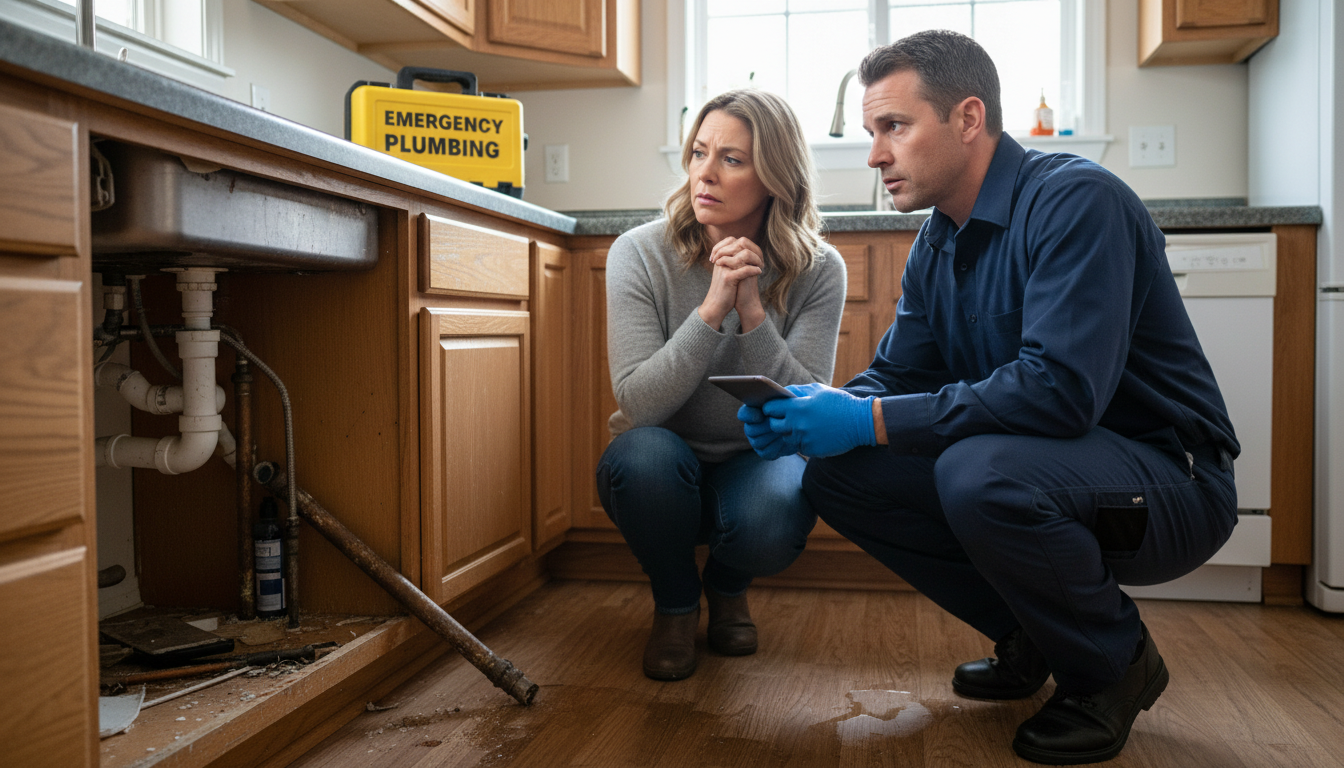
Living in Florida means being prepared for hurricane season is essential. The state is frequently affected by these powerful storms, and it's crucial to understand the risks involved. Hurricanes can bring strong winds, heavy rainfall, and flooding, all of which can cause significant damage to properties.
It's important to stay informed about the potential threats and have a plan in place. Regular updates from trusted sources like the National Hurricane Center can help you stay ahead of any impending storms.
Conducting a Property Assessment
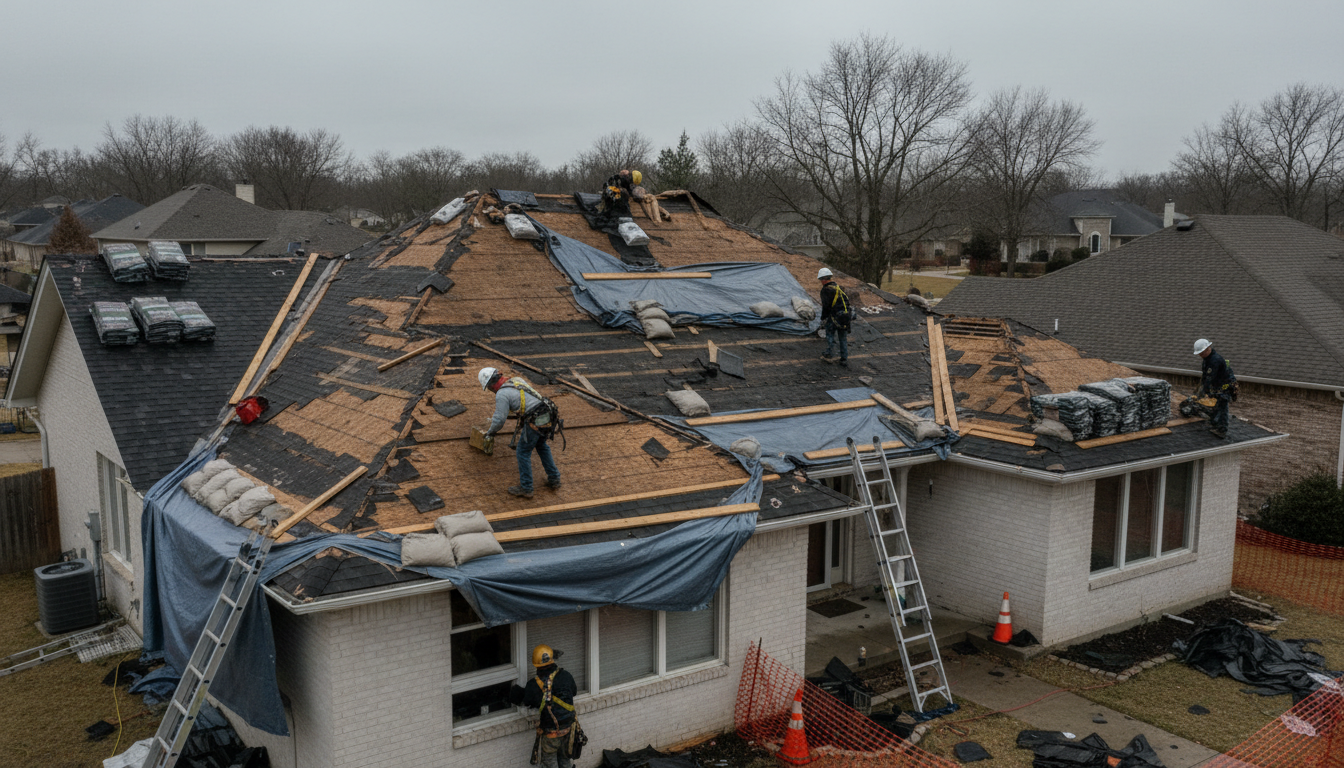
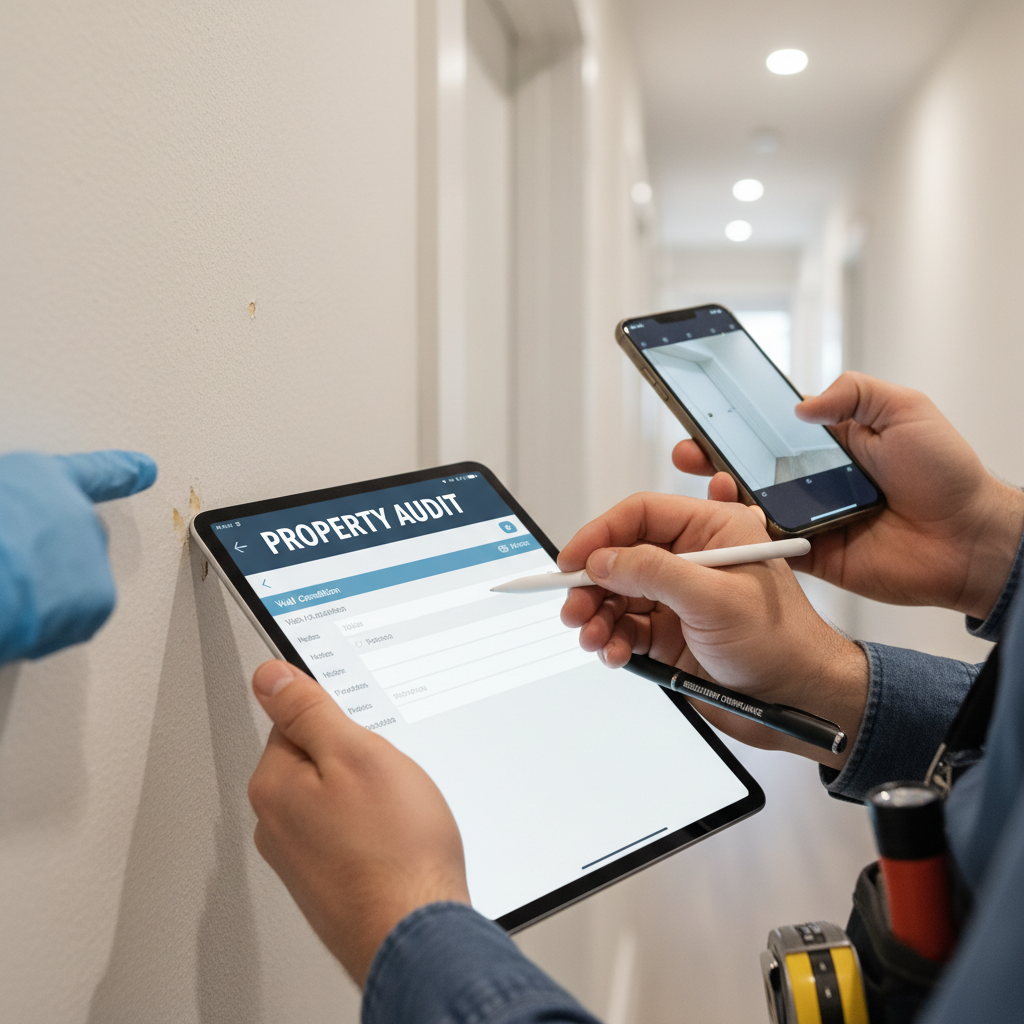
Start by assessing your property to identify any vulnerabilities. Check for weak spots in the structure, such as loose shingles or damaged windows. Pay special attention to areas that could potentially allow water to enter your home.
Consider hiring a professional to conduct a thorough inspection. They can provide expert advice on any necessary repairs or reinforcements, ensuring your property is as secure as possible.
Securing Windows and Doors
Windows and doors are among the most vulnerable parts of your home during a hurricane. Installing storm shutters is a highly effective way to protect them from flying debris and strong winds.
If storm shutters are not an option, consider using plywood to cover windows. Make sure all doors are securely fastened with at least three hinges and a deadbolt lock for added security.
- Install storm shutters or use plywood for windows.
- Ensure doors have three hinges and a deadbolt lock.

Managing Outdoor Areas
Outdoor areas can become hazards during a hurricane if not properly managed. Secure or store any loose items like patio furniture, garden tools, and potted plants. These can become dangerous projectiles in high winds.
Trim trees and shrubs to minimize the risk of branches breaking and causing damage. Make sure gutters and downspouts are clear to allow for proper drainage and reduce the chance of flooding.

Preparing an Emergency Kit
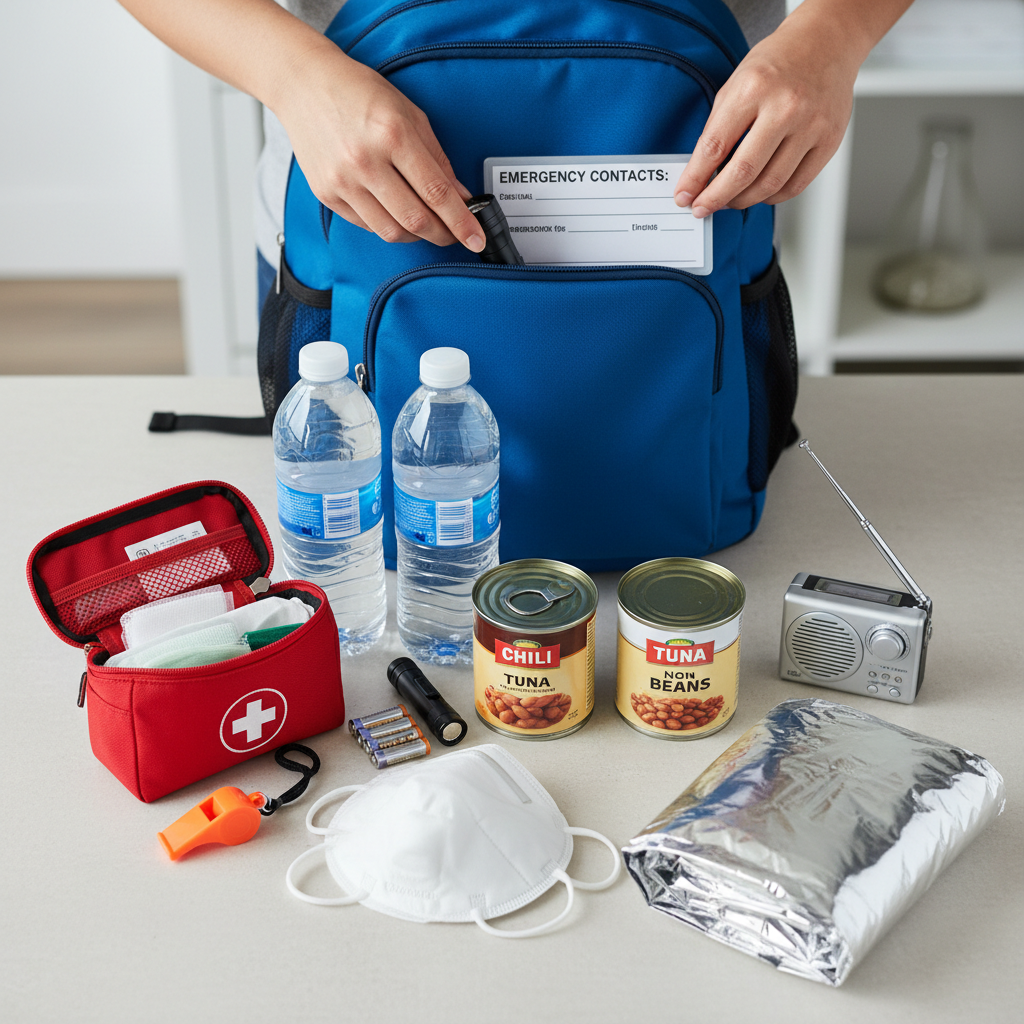
Having an emergency kit ready is crucial during hurricane season. This kit should include essentials like water, non-perishable food, flashlights, batteries, and a first aid kit. It's also a good idea to have a portable phone charger and important documents in a waterproof container.
Review and update your emergency kit regularly to ensure everything is in working order and nothing is expired.
Understanding Evacuation Plans
Know your evacuation routes and have a plan in place. Familiarize yourself with local shelters and consider different options for staying with family or friends if an evacuation becomes necessary.
Keep your vehicle fueled and ready for a quick departure. It's also wise to have a backup plan in case the primary route is compromised.
- Know your evacuation routes.
- Identify local shelters.
- Keep your vehicle ready.
Reviewing Insurance Policies
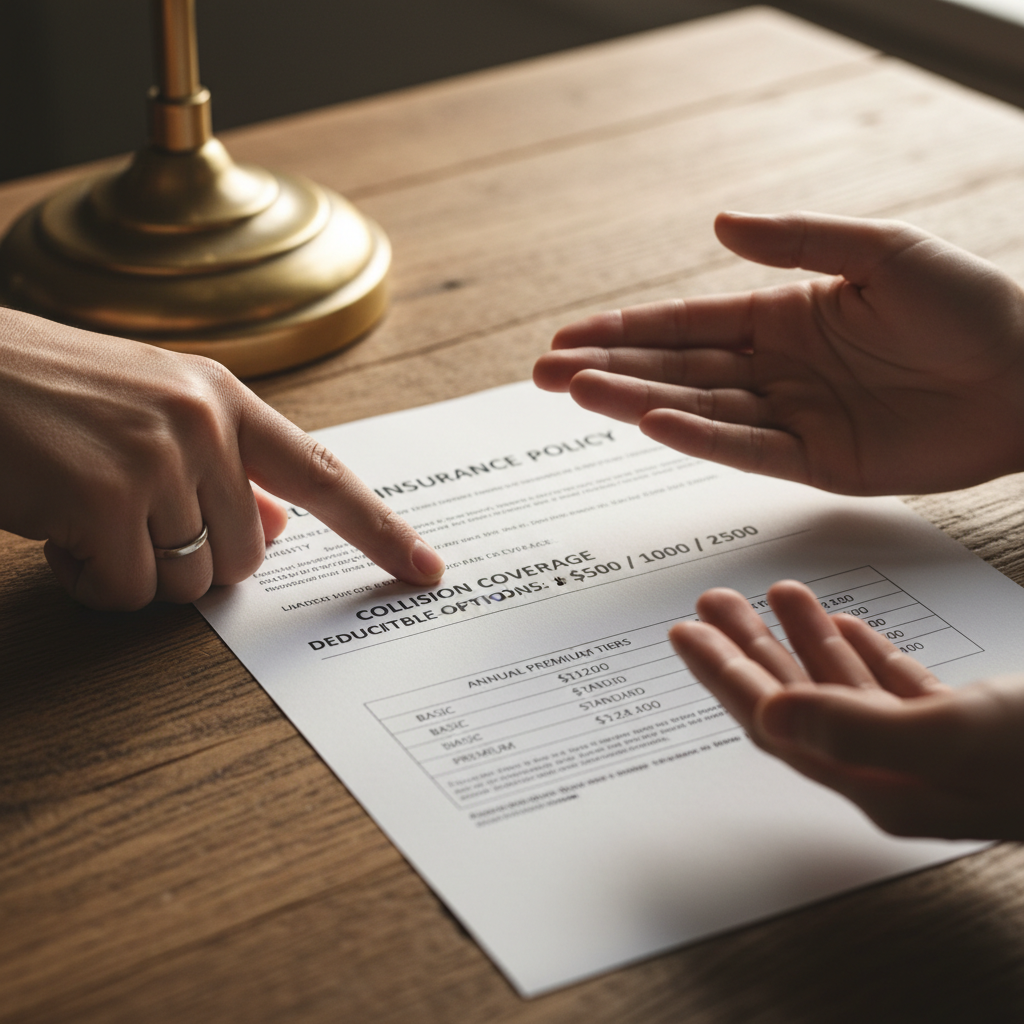
Review your insurance policies to ensure you have adequate coverage for hurricane-related damages. Consider adding flood insurance if your property is in a flood-prone area, as standard homeowner’s insurance typically doesn’t cover flooding.
Document your belongings with photos and receipts to make the claims process smoother in the event of damage.
Staying Informed and Connected
During hurricane season, staying informed is key. Sign up for emergency alerts and follow local news channels for real-time updates. Social media can also be a valuable tool for receiving and sharing information.
Ensure that you have a communication plan with family and neighbors to keep everyone informed and safe. Remember, preparation is the best defense against the devastating effects of hurricanes.