The Ultimate Guide to Property Management in Palm Beach County
Understanding the Basics of Property Management
Property management in Palm Beach County involves overseeing residential, commercial, and rental properties. A property manager is responsible for ensuring the property's success by maintaining its value and generating income. Understanding the local real estate market and regulations is crucial for effective management.
In Palm Beach County, property management often includes tasks such as tenant screening, lease negotiations, maintenance coordination, and financial reporting. A comprehensive approach is necessary to meet the needs of both property owners and tenants.

The Role of a Property Manager
A skilled property manager acts as the liaison between property owners and tenants. They handle day-to-day operations, ensuring tenants are satisfied and properties are well-maintained. This includes addressing tenant concerns, managing repairs, and facilitating lease renewals.
Effective communication is key. Property managers must keep all parties informed and ensure that property rules and regulations are followed. This helps in maintaining a harmonious living environment and retaining tenants for the long term.
Key Responsibilities
- Tenant acquisition and retention
- Maintenance and repairs
- Financial management and reporting
- Legal compliance and lease enforcement
Navigating Local Regulations
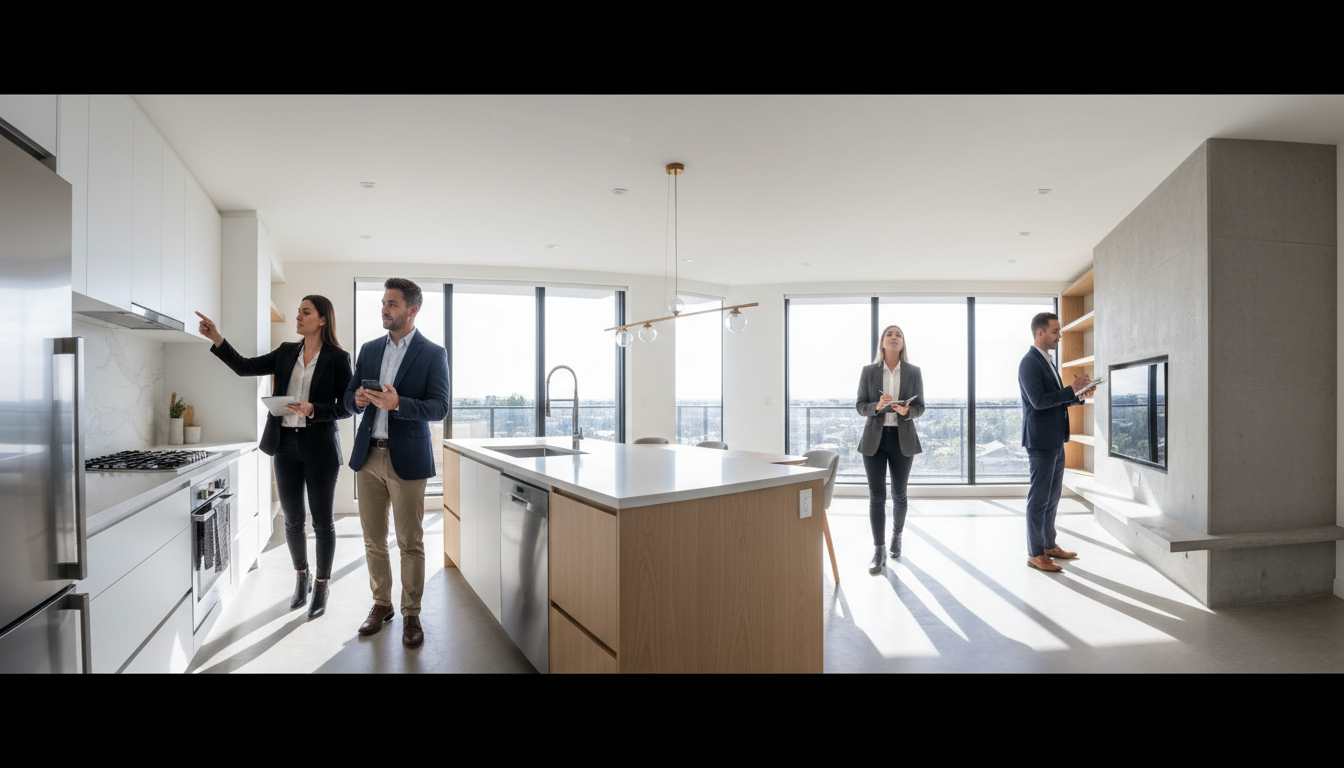
Palm Beach County has specific regulations that property managers must adhere to. This includes understanding zoning laws, tenant rights, and environmental regulations. Staying informed about changes in local laws is essential to avoid legal issues.
Property managers often collaborate with legal experts to ensure compliance and protect the interests of both owners and tenants. Regular training and updates on legal requirements can significantly aid in this aspect.
Technology in Property Management
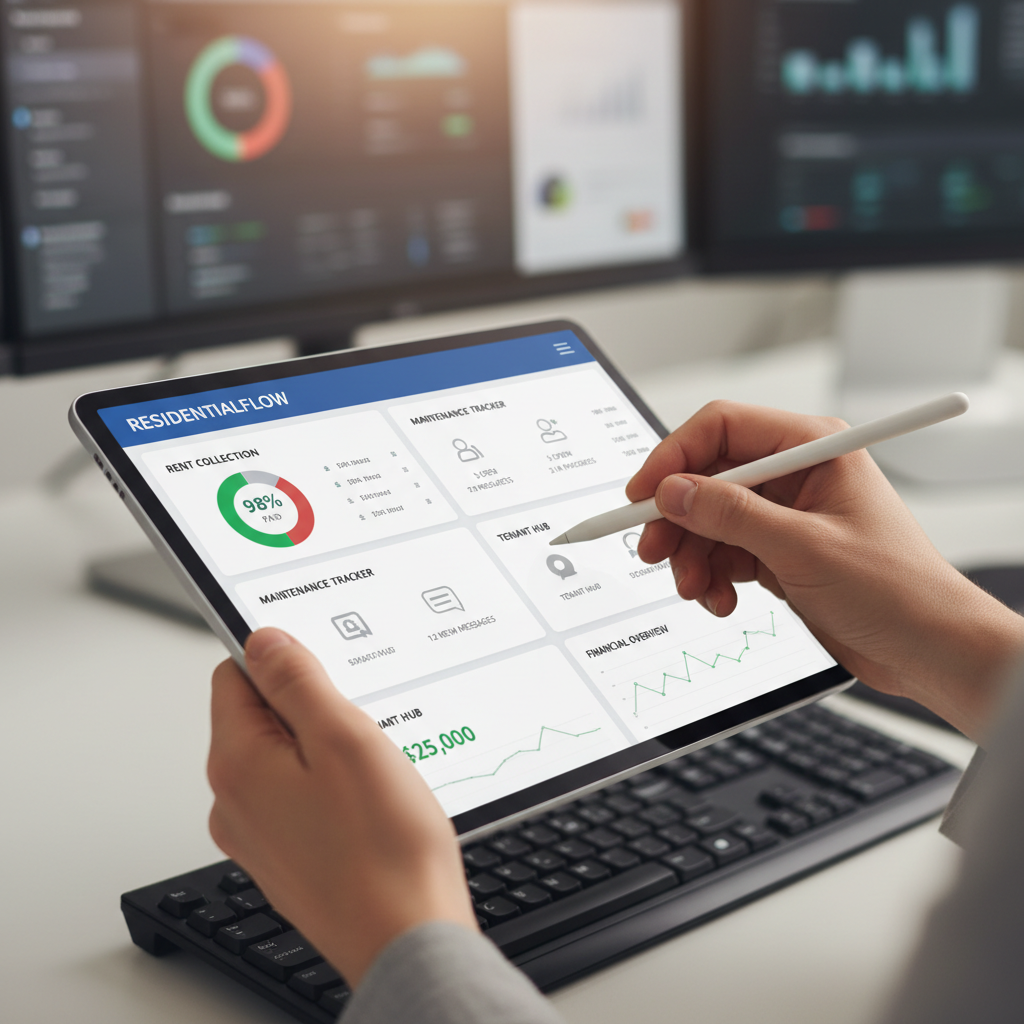
Technology plays a crucial role in modern property management. Software solutions can streamline processes such as rent collection, maintenance requests, and tenant communications. Utilizing these tools can enhance efficiency and improve tenant satisfaction.
Many property managers use digital platforms to provide tenants with easy access to services and information. This not only saves time but also creates a more transparent and accessible management system.
Popular Tools and Software
- Online rent payment systems
- Maintenance management apps
- Tenant screening services
- Accounting and financial reporting tools
Enhancing Tenant Relationships
Building strong relationships with tenants is vital for successful property management. Regular communication, prompt responses to issues, and a focus on tenant satisfaction can lead to longer lease agreements and fewer vacancies.
Organizing community events and offering tenant appreciation programs can also foster a sense of community and loyalty. These efforts contribute to a positive living experience, benefiting both tenants and property owners.